Posts

Four legs good, eight better

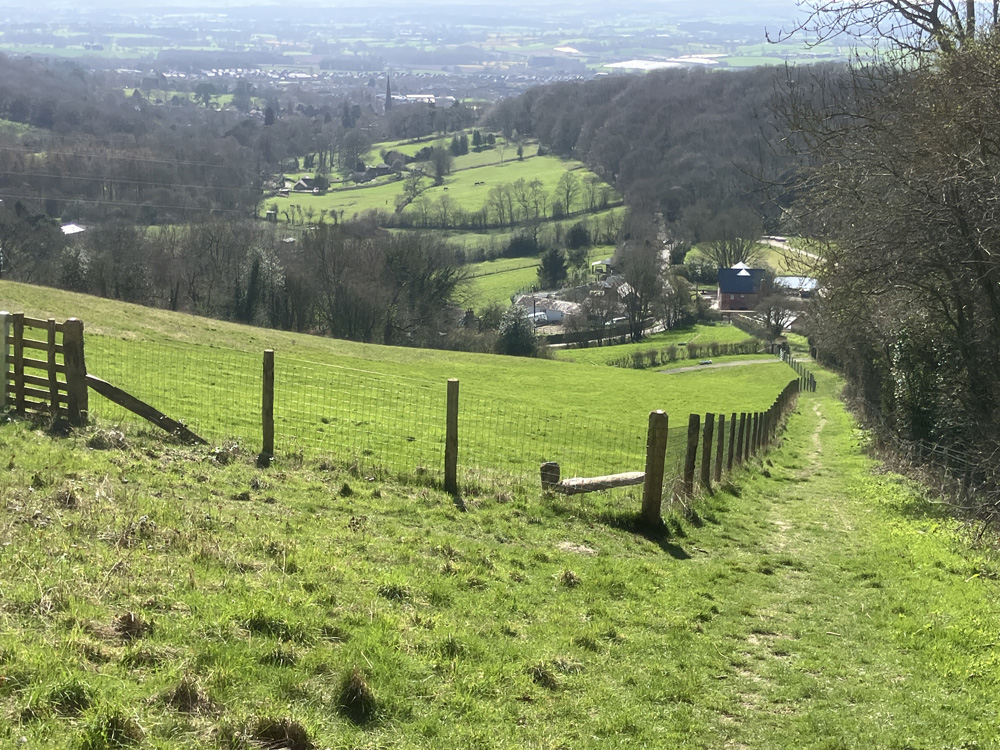
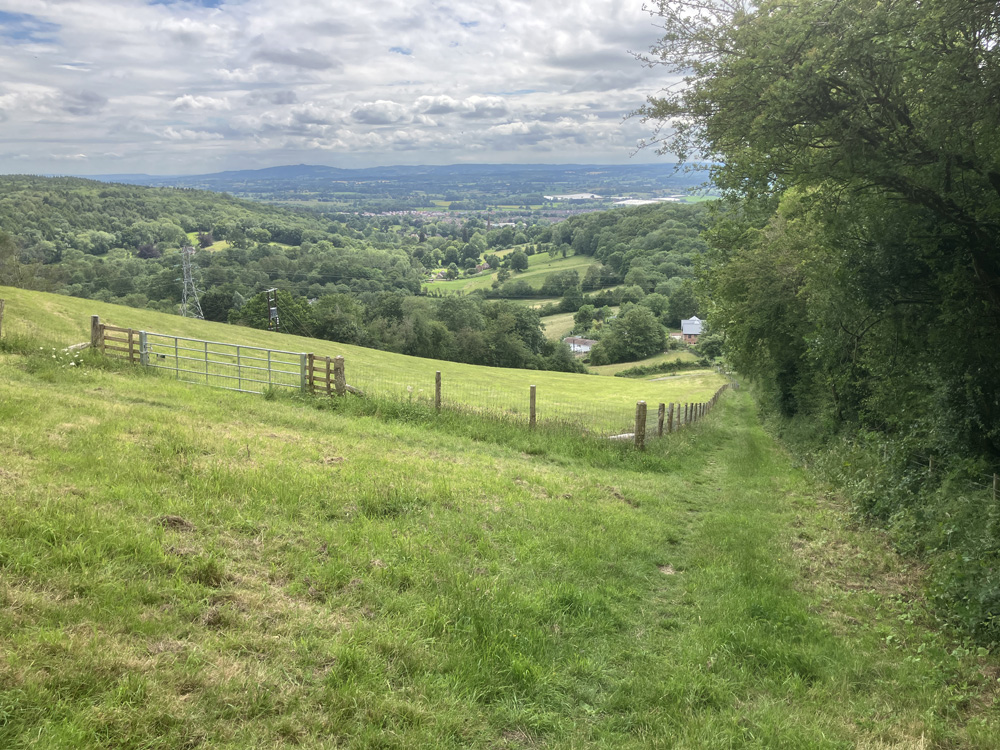
Dear all, the path uphill to Bradlow Knoll seems to get steeper with time. It didn’t help that it was actually hot and sunny, but it’s still worth the climb for the view and for the reward of parking your backside on CJ’s bench, but age does have an effect on the old limbs. Loss of muscle mass and other factors come into play in your seventies, so use it or lose it, they say. Any physical activity, like lifting some light weights at the local gym (ha!), will help keep your muscles big and strong. And also, follow the official recommended intake of oily fish. Solution? Keep lots of smoked salmon in the fridge and force yourself to get off the sofa to eat it.

A shadow of my former self

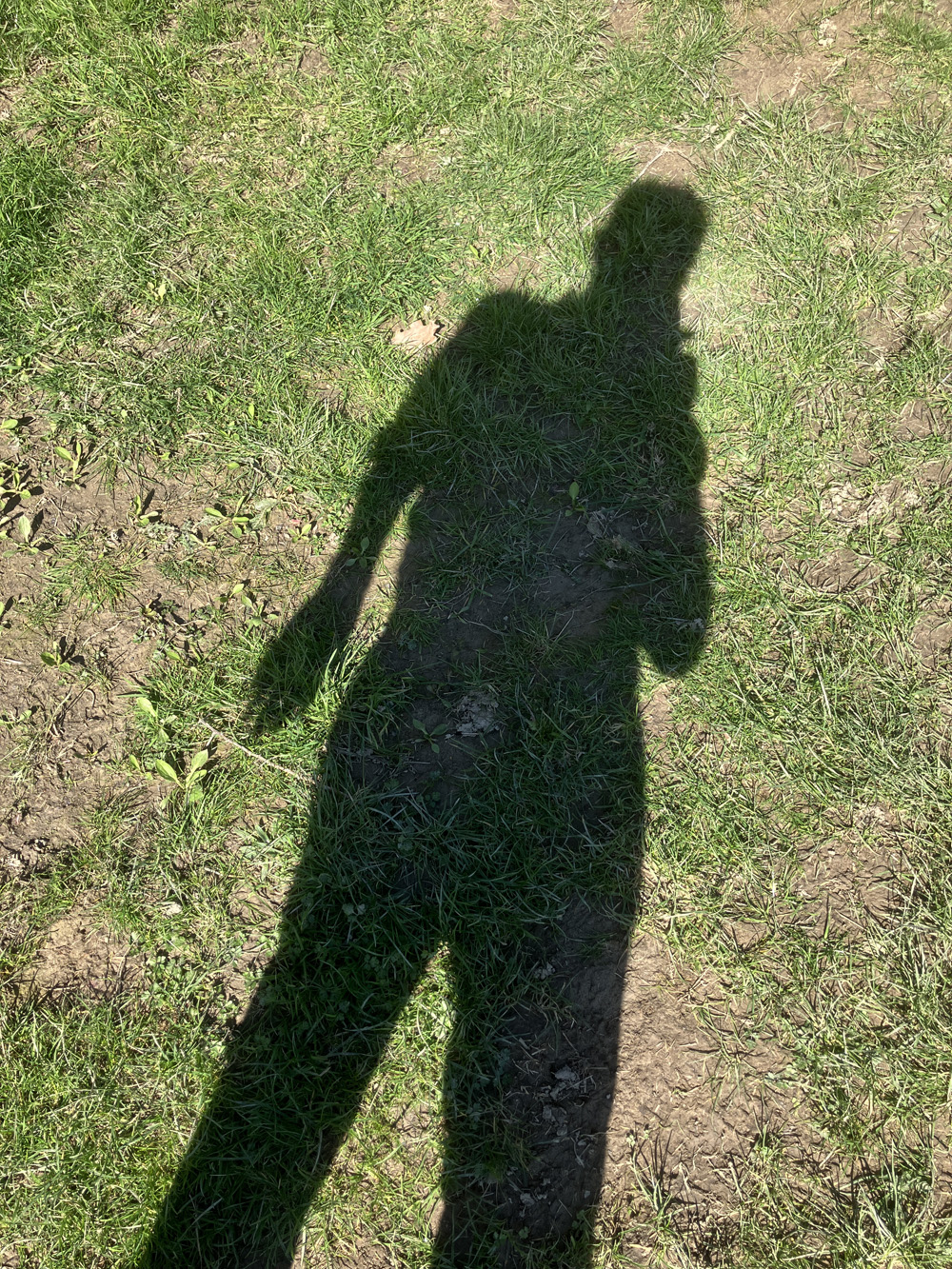
If humans had, say, eight legs, there’s no doubt running and climbing would be easier. Bradlow Knoll would be a doddle for any spider scaled up to the size of a human. Spiders are faster than humans. While we can run faster in absolute terms, a spider’s speed relative to its size is much higher. A hunting spider can move at speeds over 1 mile per hour – scaled up, its speed would exceed hundreds of miles per hour.

Palais des Vaches

The fastest-running spider is the desert-dwelling Moroccan flic-flac spider, which can reach speeds of up to 3.8 mph using a unique rolling movement named “flic-flac” (apparently a circus tumbling technique) launching itself into a series of forward flips, gaining speed with each rolling leap. Click here.

Ziggy

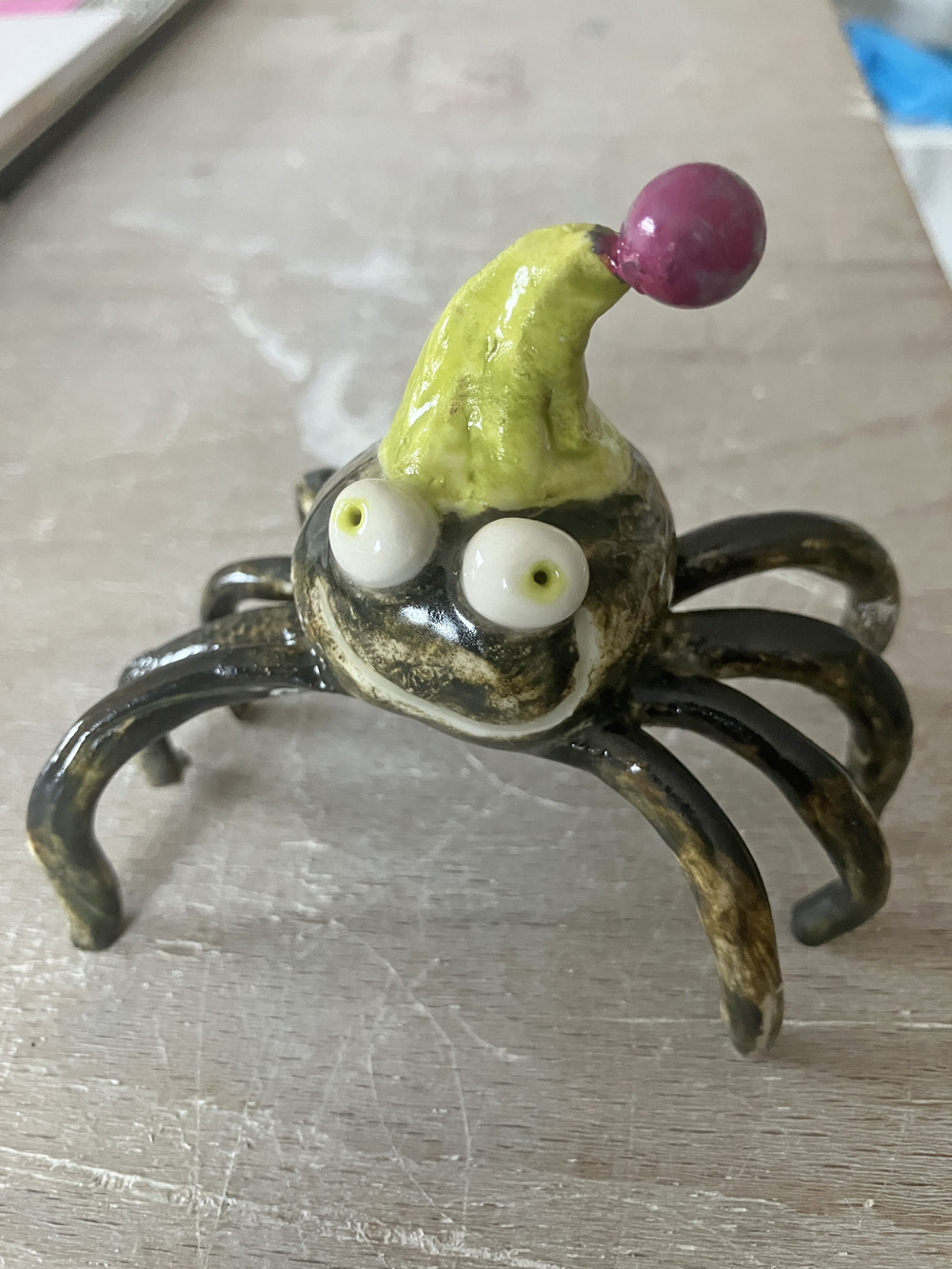
You ask: where does all this arachnid lowdown come from? One member of the PAC team is of course Ziggy (in charge of keeping fly numbers down) and he is a mine of information. He claims he has a flic-flac cousin in Surbiton. Another member of the PAC team is Spyro, who, as the Marketing Manager, is rightly reminding me that PAC is about ceramics, not spider speeds or muscle wastage.

Palais des Vaches

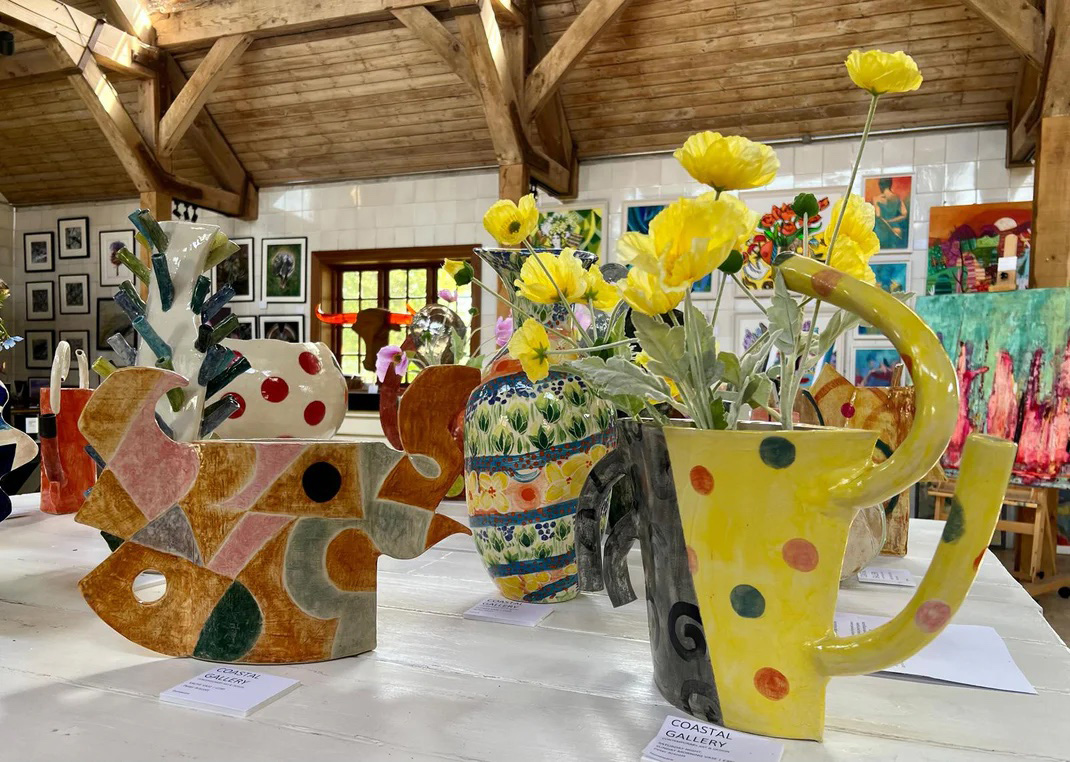
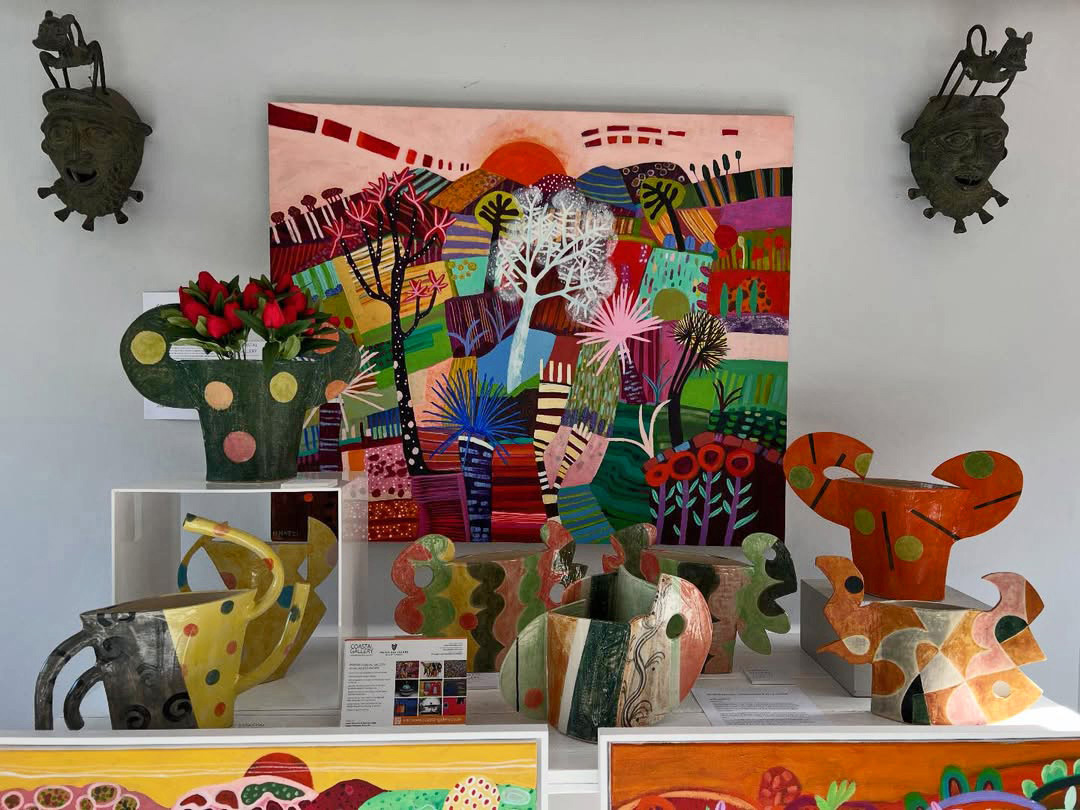
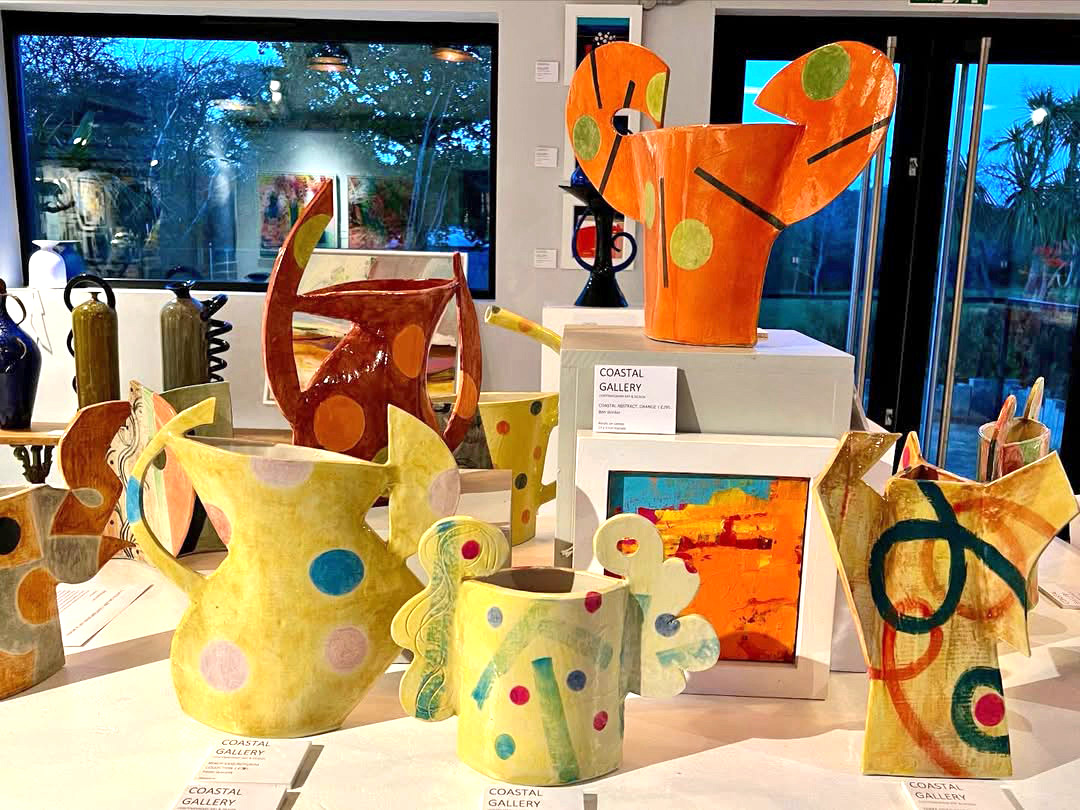
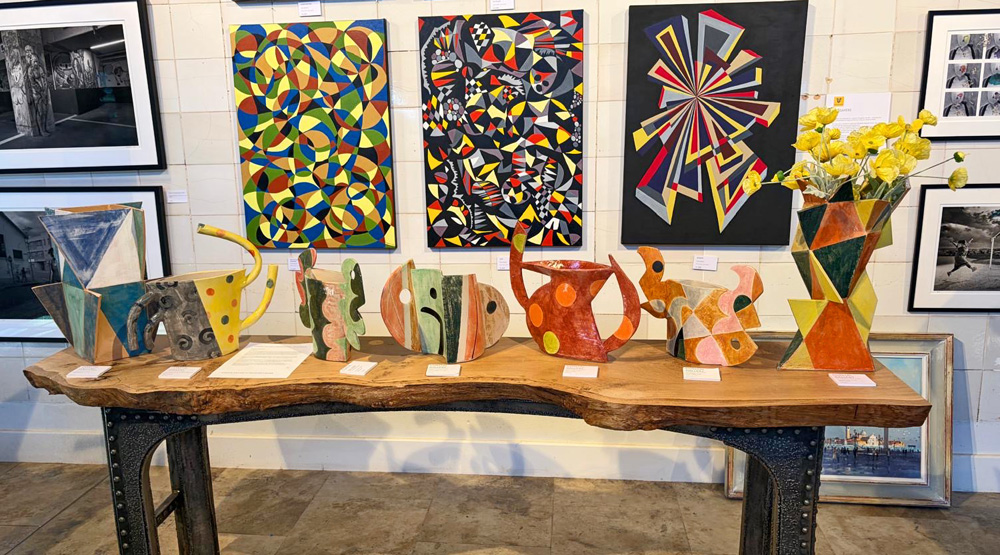
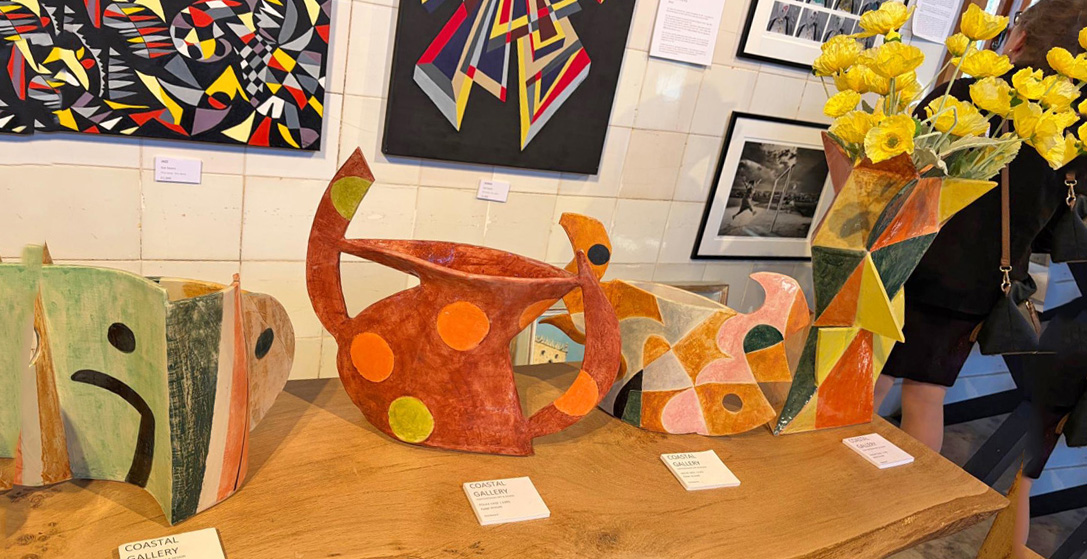
The Palais des Vaches is showing a number of new Peter Arscott ceramics in its spacious gallery, open on Thursdays and at the weekends 11 – 4. Those of you who’ve followed this blog for some time will remember that the building used to be a cowshed and milking parlour before its conversion. It’s the brainchild of Nick and Caroline Rothschild – he is a pioneer in the video industry in the 1970s, where he made films and won a Gold Medal in the New York Film and Video Festival. After living in London, Nick and Caroline (also an artist), moved down to the family estate, which includes the beautiful gardens at Exbury.

Palais des Vaches. Photo M. Law

It’s a unique gallery, just as cows are – just like no two humans have the exact same fingerprints, no two cows have the exact same spots. Farmers use individual cow spots to differentiate them apart.

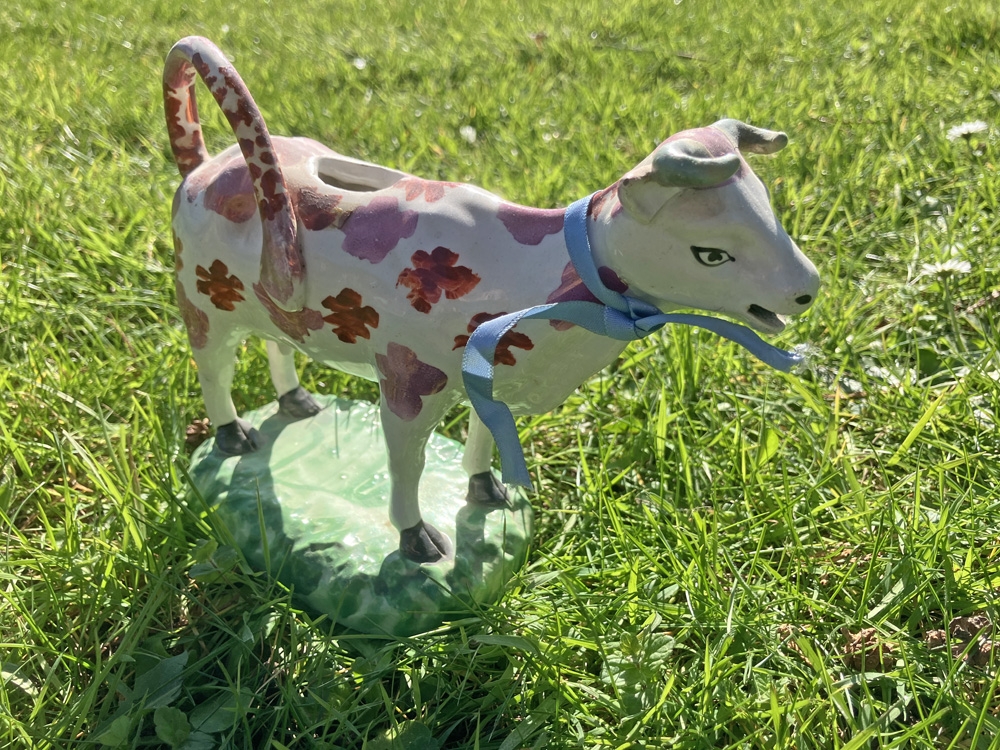
porcelain cow

Sorry to go on about running up Bradlow Hill, but cows can run on average at 17 mph, with a maximum speed of 25 mph. So, they can easily beat a human. So far, eight-legged and four-legged beings have the advantage over us bipeds. But they can’t make ceramics.

stability on three legs

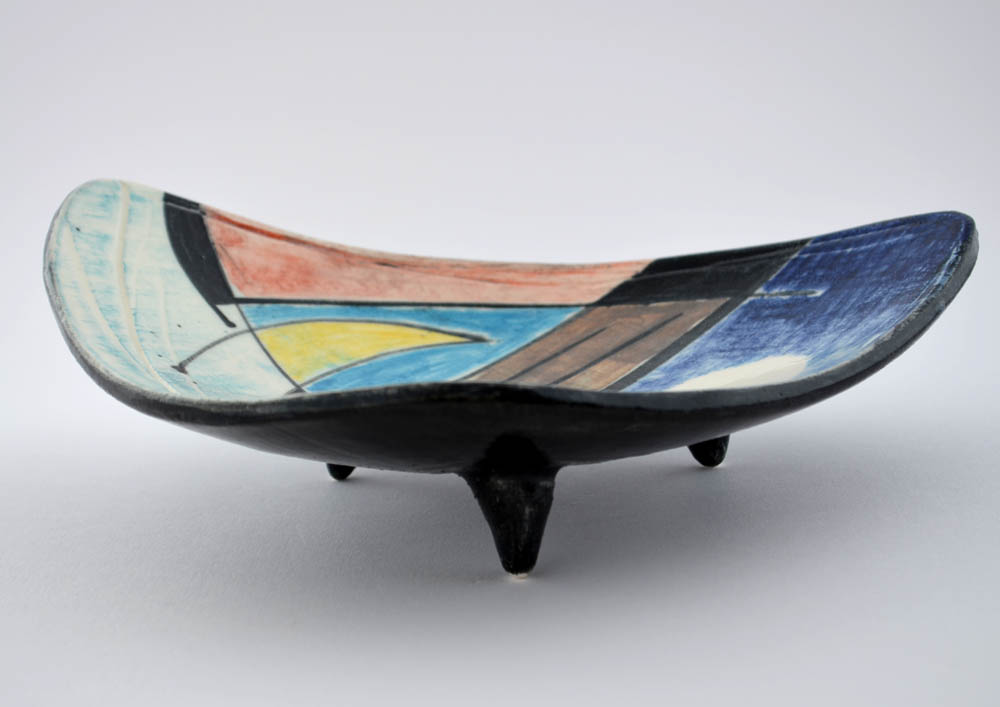
Three legs, on the other hand, offer stability, more so than four legs, as anybody who has bought a PAC three-legged bowl will testify. Think of camera tripods and, with Palais des Vaches in mind, milking stools (Spyro is quietly admiring this blog’s ability to bring in ceramics while also holding forth on numbers of legs).

Palais des Vaches. Photo M. Law

What about a hundred legs? There are several reasons for all of those legs on a centipede, but they mainly help make them very fast. Since they are both predators and prey, this helps out a lot. They can travel 1.3 feet per second.

Palais des Vaches Photo. M. Law

A man won £100 on the lottery and decided to blow it on something he wouldn’t normally buy. So, he went to the pet shop and looked around. There was a centipede for sale for £100.

 “Why is it so expensive?” he asked the pet shop owner

 “Because it can talk.”

  “No way, centipedes don’t talk.”

 But the owner promised him it was a talking centipede, so he bought it and took it home. That evening he spoke to the centipede:

“I’m off to the pub. Do you fancy a pint?”

There was no answer, so he went to the pub alone. Next day, he asked it again:

“I’m off to the pub. Do you fancy a pint?”

Again, no answer.  On the third day, and a little fed up, he asked the centipede again:

“I’m off to the pub. Do you fancy a pint?”

 The centipede replied:

 “I heard you the first time. I’m just putting my bloody shoes on.”

Torero vase at the Palais des Vaches

September meander

Exbury Gardens

There is a hint of autumn in the air, but only a hint. Looking down on Ledbury from Bradlow Knoll, the view still offers the usual subtle variation of greens with only a tinge of autumnal orange, though large spiders have started to move into the house and studio, always an indication of colder days ahead, and much to the annoyance of Ziggy, whose insecurities make him prey to anxiety and aggression at the sight of anything he sees as competition in his role as the studio’s “Flycatcher-in-chief”.

Autumn leaf zephyr vase @ Palais des Vaches

Flies are also on the move come autumn. They choose to fly high before the weather gets too cold and enter attics and lofts for the winter. No matter how well the space is sealed, they somehow manage to get in, so that when you visit the loft in spring the whole place is buzzing with blowflies trying to find a way out, presumably having bred throughout Winter. So, all power to the spider, and to anything else that eats them, like fish. Yes, fish, specially trout, are partial to fly, as is the chub – all this came to mind after a walk along the River Leadon.

River Leadon – Chub don’t mind mud

The sad state of the river was highlighted in a blog last September (click here), so it merited another visit. It is good to report an obvious improvement, not least because fish are back, including chub, which can sometimes be seen swimming near the surface of rivers and streams, often in large shoals. One was caught, and then returned – a good indication of better water quality, though there are two outlets pouring into the river that seem to contain some oily substance.  As they grow, chub become aggressive predators, eating fish, frogs and even small mammals. Hard to believe when you look at the little chap in the photo.

the predatory chub

He or she must be one of the 90,000 roach, chub, and dace fish that have been added to replace those killed by pollution in 2016, when 100 tonnes of digestate were pumped onto a field and flowed into the Preston Brook, which in turn flows into the river Leadon, and more than 15,200 fish were killed in what was described as “one of the worst watercourse pollution incidents in Herefordshire in recent memory”. The new fish were all hatched and reared at the Environment Agency’s national fish farm at Calverton in Nottinghamshire, which is funded by the proceeds of fishing rod licence sales.

Autumn swirl charger @ Palais des Vaches

There are almost 1500 river systems, comprising over 200,000 km of watercourses in the UK but, in a global context, our rivers are mere streams – being characteristically short, shallow and subject to considerable man-made disturbance, as we know from recent news about water companies releasing sewage and other waste whenever the system is deluged after rainfall (Rain? In the UK? Get away and stap me vitals!).

Autumn vase @ Palais des Vaches

One of these rivers is the Beaulieu River in the New Forest, which rises near Lyndhurst and flows into the Solent, passing through the beautiful gardens at Exbury. More than 100 years in the making, these gardens, designed and curated by the Rothschild family, have a spectacular collection of landscaped woodland, herbaceous, contemporary, formal and wildflower gardens.

Autumn Reds vase

Now, dear reader, as you probably know, a “meander” is a small winding river or stream, and, as a verb, can be used to describe a winding or intricate course suggestive of aimless wandering. Which is what I have done in order to get to this point. The Exbury estate, through which the river passes, also has the Palais des Vaches gallery, a former milking shed now transformed into a strikingly handsome gallery and show area. No thumb-twiddlers, the Rothschilds planned and rebuilt it during the Covid lockdown, and it now has had a further extension added.

interior of the Palais

Autumn Glory is the title of the show opening on Saturday 24th September, and Peter Arscott Ceramics is exhibiting there along with painters, sculptors and textile artists.

Peter Arscott ceramics on show

Possibly as a result of the long hot summer we have had, the apple harvest is early this year in Herefordshire. This means friends and neighbours will be desperately going round offering large bags to anybody they meet, in the hope that this will help with the glut. Other than freezing them, drying them, turning them into puree, or using them to throw at squirrels, any interesting and creative ideas that deal with large supplies of apples will be welcome.  Even leaving them on the garden wall for commuters to take before getting to the station makes few inroads.

In keeping with the tenor of this blog, here is a verse from Rupert Brooke’s “Heaven”:

Fish (fly-replete, in depth of June,
Dawdling away their wat’ry noon)
Ponder deep wisdom, dark or clear,
Each secret fishy hope or fear.
Fish say, they have their Stream and Pond;
But is there anything Beyond?….

You can read the rest by clicking here.


Spring ceramics

This blog usually begins with a view from Bradlow Knoll looking down towards Ledbury, accompanied by text complaining about the effort required to get to the top. This time, for a change, behold the view looking up towards the Knoll – disappointingly, the hill does not look so challenging  in the photo, but it is a slog. Honest.

Spring vase

This is meant to be a ceramics blog, but I sometimes find myself meandering away from the subject and end up finding out about things I had little or no idea about. Then I feel I have to share it all with you, dear reader. This time I delved into the world of rats because they are so evident outside and inside the house, but before I deal with them, if the following comes across as a Latin lesson, please forgive me:

image Wikipedia

Equinox, the time or date (twice each year) at which the sun crosses the equator, when day and night are of approximately equal length (22 September and 20 March). Either of the two occasions in the year when the centre of the sun is directly above the equator, and day and night are equal in length, thus “equi” (from Latin “aequuus”, meaning equal, and “nox” meaning night). In case you are asking, the solstice is the longest and shortest day of the year.

Persephone – Greek goddess of Spring (photo Wikipedia)

In the northern hemisphere, the vernal equinox marks the first day of spring and occurs when the sun moves north across the equator – “vernal” comes from the Latin word ver, meaning “spring.” Here endeth the lesson. Why am I telling you all this?

Spring vase at Palais des Vaches

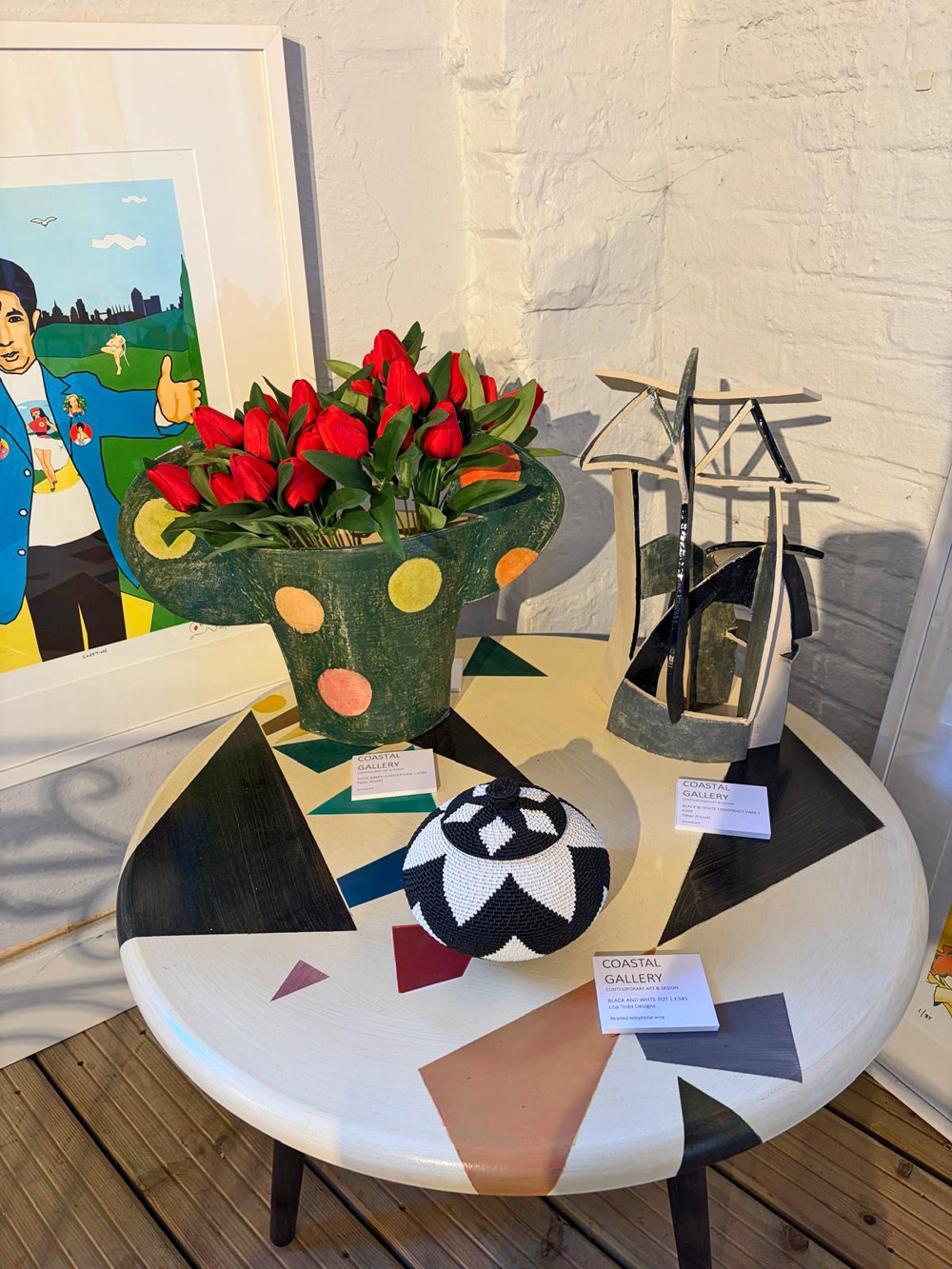
Because the Coastal Gallery in Lymington  is collaborating with the Palais des Vaches in Exbury (Hampshire) and putting on a show of paintings, sculptures and ceramics to celebrate the Spring Equinox. The private view is on Friday 18th March, 5 – 8.30pm, and the exhibition continues Saturday 19th – Sunday 20th March, 11am – 4pm. Otherwise it is by appointment only.

Close-up of Spring animals on vase

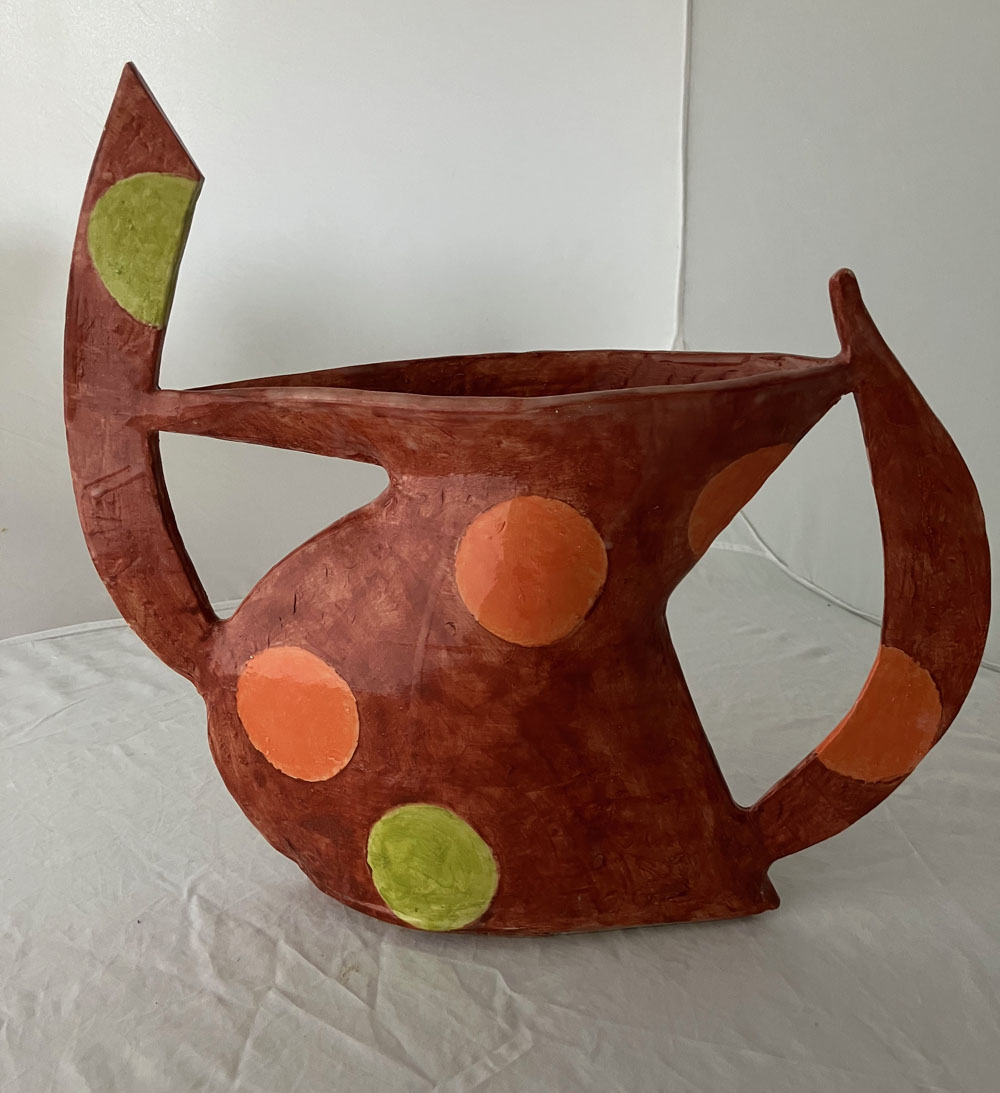
The pieces commissioned are meant to reflect abundance, green shoots, and Spring in general (thus the images of bunnies, hedgehogs and birds in parts of the vases, don’t know what the teapot is doing there). Do have a look if you live nearby.

Thicket vase at the Palais des Vaches

Ah, Spring. When air temperatures rise, life is primed and ready to go. Sap is rising, supplying the energy needed to grow new shoots and leaves. Animals become active — arising from winter sleep, migrating, breeding.

Tendril vase at the Palais des Vaches

However, rats do not have a real breeding season.  if they are all warm and tucked up in your cellar or attic, that is the perfect setting for continuous breeding. My research shows that a female rat can be ready to re-conceive immediately after giving birth. At home they can be seen running between the yew tree and the cellar, lurking behind raised beds and sometimes climbing up and having a go at the bird food. They can often be heard scratching behind the skirting boards in the sitting room. I say “they” now, because in my naivety I first thought it was just one rat called Eric.

Eric – enormouse

I have an air rifle and I admit I took a shot at Eric, and thought I’d got him, but he soon reappeared, mocking me with his tubby gait and air of nonchalance. Shocked that I could even think of taking a life, even a rat’s, my colleague, the poet Brenda Read-Brown, wrote a poem, as a result of which I have pledged not to shoot Eric:

Making a living (by Brenda Read-Brown)

The shotgun’s missing from its mount.
It’s by his side, he says, ready
to kill the rat. It’s a big one, he says.
And in the basement, a sleek intelligence
plans a raid, sets the alarm
for its nightshift, behaves
like early man, who had to hunt
to live; does what it can
to keep its fur from red spatter,
its guts intact and full,
its family fed.
It only wants the things that matter:
cast-off crumbs of bread;
a roof over its head.
It’s willing to work, to creep,
to hide and run.

The man leaves his post today;
buys his food, takes his car through a wash
crewed by thin-faced strangers
who won’t meet his gaze;
men willing to work, to beg,
to hide and run.
Men who know the meaning
of a gun.

And now a complete change of subject. Scribble is an online venue for flash (very short) and short fiction. This eclectic journal is open to literary fiction and all fiction genres with a literary approach, and has published a short story called Last Outing by yours truly – if you’d like to read it, click here. It’s about an old aunt being taken out for lunch.

Any further developments regarding Eric will be reported. For now, he is just a fortunate rodent unaware of the power of poetry to change lives, even small furry ones.